Protein Supplement Safety in India: The Adulteration Problem in Your Tub
A 2024 analysis of 36 popular protein supplements sold in India found 70% mislabeled and 75% contained lead. A 2025 follow-up study on pure whey performed substantially better. This guide explains adulteration types, FSSAI's gap, and what to check before buying.
Note: This article is for informational purposes only. If you are experiencing health symptoms potentially linked to supplement use, consult a doctor. Do not self-diagnose based on this content.
Protein supplement safety in India is now a YMYL (Your Money or Your Life) consumer health question, not a fringe gym concern. India's protein supplements market was valued at approximately USD 860 million (roughly Rs. 7,200 crore) in 2024 and is growing at a compound annual growth rate of 6.6% (IMARC Group). The broader Indian protein market, including food-grade proteins, ingredient proteins, and supplements together, is estimated at USD 1.40 billion for the same period (afaqs, July 2024). This blog refers to the supplements-only figure. Walk into any gym, pharmacy, or health food store in any Indian city and the shelves are now stocked with whey, casein, plant-based blends, and mass gainers carrying confident claims about protein content, purity, and performance. The industry's growth is real. The quality problem underneath it is equally real.
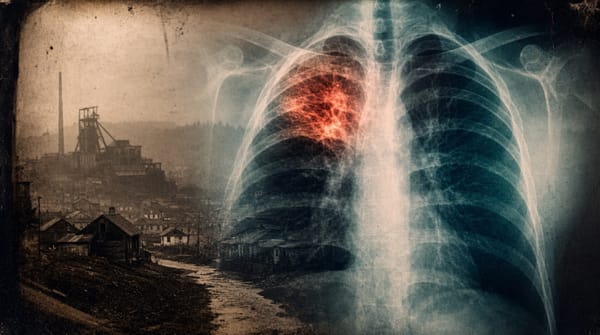
A peer-reviewed study published in Medicine (Baltimore) on April 5, 2024 by Dr. Cyriac Abby Philips, hepatologist at Rajagiri Hospital Kerala, and colleagues, the Citizens Protein Project 1 (CPP1, DOI: 10.1097/MD.0000000000037724, PMC10994440), analysed 36 popular protein supplements sold in India and found that 70% were mislabeled on protein content, 75% contained lead, 27.8% contained cadmium, and 13.9% tested positive for aflatoxins. All four figures come from this single study. A follow-up study by the same team, Citizens Protein Project 2 (CPP2, DOI: 10.1097/MD.0000000000045970, PMC12622730, November 2025), tested 34 pure whey products and found that nutraceutical whey specifically showed much better label agreement, averaging 75.6 g protein per 100g. The two studies together reveal a market divided by product type: blended, herbal, and mixed-protein supplements carry the highest contamination and mislabeling risk; pure whey from established nutraceutical brands performs considerably better. "Considerably better" is not the same as safe or verified, and the regulatory gap both studies identify is the same.
India's protein supplement market is growing faster than the regulatory infrastructure protecting it, and the gap between what labels claim and what products contain is large enough to affect health, not just athletic performance. This guide explains what protein powder adulteration actually involves, what the Indian and global evidence shows, and what to check before buying any supplement in India.
SwasthiQ is building Healthcare Rails for India, the connected ecosystem that links supplement use, lab results, and clinical records so a heavy metal exposure from a contaminated protein powder is something a doctor can recognise and trace, not an invisible chronic exposure.
Official sources: Philips CA et al., Citizens Protein Project 1, Medicine, April 2024 | CPP2, Medicine, November 2025 | Laitin et al., Nutrients, October 2025 | FSSAI / Lok Sabha data, 2022-23
What Protein Powder Adulteration Actually Is
Adulteration in the context of protein supplements is not a single act but a category of practices, each with a different mechanism, motivation, and health consequence. Understanding the taxonomy matters because the word "adulteration" is often used as if it describes one problem. It describes several, and they require different detection and regulatory responses.
The core driver is economic. High-quality whey protein concentrate costs significantly more per kilogram than the adulterants used to replace or dilute it. A manufacturer who replaces 20% of whey protein with soy protein isolate, creatine, or a cheap nitrogen-containing compound can reduce raw material costs substantially while maintaining the appearance of the same protein content on a standard test. The consumer pays for whey and receives something that is partly not whey. The athlete builds their recovery and performance strategy around a protein number that is not accurate. The doctor or nutritionist advising on protein intake is working with claims that do not reflect the actual product.
At the more serious end, adulteration involves contamination with substances that are actively harmful: heavy metals from raw material sourcing or processing equipment, mycotoxins from mold growing on poorly stored ingredients, pesticide residues from agricultural raw materials, and in some cases, undeclared pharmacologically active substances including anabolic steroids. Each presents a different risk profile, and each requires a different analytical approach to detect.
Nitrogen Spiking: India's Most Common Protein Supplement Safety Failure
The most widespread form of protein powder adulteration is nitrogen spiking, and understanding it requires knowing how protein is measured in the laboratory.
The two standard methods for measuring protein content in food and supplements are the Kjeldahl method (a classical lab technique that measures total nitrogen by chemical digestion) and the Dumas method (also called the LECO method, a combustion-based technique that measures total nitrogen by burning the sample). Both work by measuring total nitrogen in a sample and then multiplying by a conversion factor to estimate protein content. This works because proteins are the primary nitrogen-containing compound in most foods. The problem is that these methods cannot distinguish protein nitrogen from non-protein nitrogen. They measure total nitrogen regardless of its source.
This analytical gap creates the opportunity for nitrogen spiking: adding cheap nitrogen-rich compounds to a supplement that are not proteins but will artificially inflate the protein reading on a Kjeldahl or Dumas test. Common nitrogen-spiking adulterants documented in peer-reviewed literature include urea (a nitrogen-containing waste product that is extremely cheap), melamine (the compound at the centre of the 2008 China contaminated milk scandal), creatine (a legitimate supplement in its own right but not a protein), taurine (a sulphur-containing amino acid additive), and glycine (a simple amino acid). These compounds register as protein on standard tests but provide no amino acids and offer no muscle-building benefit.
For a consumer buying a protein powder based on its per-serving protein claim, nitrogen spiking means the actual functional protein they receive is lower than the label states. For athletes carefully managing their protein intake to meet training needs, the effect is a systematic underdelivery of actual protein. For anyone with a medical condition requiring specific protein levels, the gap between label and reality is clinically relevant.
Citizens Protein Project 2 (CPP2, PMC12622730, 2025), the follow-up study by the same research team, analysed 34 pure whey products specifically and found that nutraceutical-grade whey products supplied a mean of 75.6 ± 7.3 g protein per 100g with tight label agreement. CPP2 cites CPP1's heavy metal findings as context, making clear the two studies are sequential investigations of different product segments rather than conflicting evidence. The reconciliation is product-type specific. CPP1's 70% mislabeling was concentrated in blended, herbal, and mixed-protein formulations. CPP2's purer whey sample performed better. The practical implication is that product type matters as much as brand. A blended protein with herbal extracts carries meaningfully higher contamination and mislabeling risk than a pure whey concentrate from a regulated nutraceutical manufacturer.
Heavy Metals: The Silent Contamination
The finding that 75% of the 36 protein supplements tested in the 2024 India investigation contained lead is not an outlier statistic. Heavy metal contamination in protein supplements is a documented, peer-reviewed problem across global markets, and India's supply chain creates specific exposure points that amplify the risk.
Heavy metals enter protein supplements through several routes. Raw agricultural ingredients, including plant proteins sourced from soil with elevated metal content, carry metals that concentrate during processing. Manufacturing equipment, particularly older or poorly maintained machinery, can leach metals into batches. Water used in processing may contain metals in regions without adequate water quality controls. Cross-contamination from storage in inadequately cleaned containers is another pathway.
The specific metals found in the 2024 India analysis were lead, cadmium, arsenic, mercury, thallium (a soft heavy metal toxic to the nervous system at chronic low doses), and copper. Lead and cadmium are the most concerning for chronic exposure. Both accumulate in the body over time. Both have established toxicological thresholds. Lead exposure is associated with neurological damage, kidney impairment, and cardiovascular effects. Cadmium accumulates in the kidneys and causes progressive kidney damage at relatively low chronic exposure levels. These are not theoretical risks from one-time exposure. They are consequences of daily, repeated ingestion of a contaminated product over the months and years that supplement users typically maintain their habits.
The 2024 analysis found cadmium in 27.8% of products. For a person consuming a contaminated protein supplement twice a day as part of their training regimen, this represents an ongoing heavy metal exposure through a product they are consuming specifically to improve their health.
Aflatoxins and Mycotoxins: The Contamination Nobody Discusses
Aflatoxins (toxic metabolites produced by Aspergillus moulds that contaminate crops and stored agricultural products) were detected in 13.9% of the protein supplements tested in the 2024 India study. This finding is significant because aflatoxins are among the most potent naturally occurring carcinogens known, with aflatoxin B1 (the most potent form of aflatoxin) specifically classified as a Group 1 carcinogen (the highest cancer-risk category, reserved for substances with sufficient evidence of carcinogenicity in humans) by the International Agency for Research on Cancer (IARC, the WHO body that evaluates cancer-causing substances).
In the context of protein supplements, aflatoxin contamination enters through plant-based protein ingredients (pea, soy, groundnut) that have been stored in inadequate conditions and have developed mould. Once formed, aflatoxins are stable compounds that are not destroyed by heat or standard manufacturing processes. A supplement that starts with aflatoxin-contaminated soy protein isolate will contain aflatoxins in the final product.
The presence of aflatoxins in 13.9% of tested products is not a minor hygiene issue. It is a finding that, if replicated across the broader market, means a non-trivial fraction of protein supplements sold in Indian gyms, health stores, and online platforms carry a carcinogenic contaminant. The consumer buying a protein supplement to support their health is, in some cases, ingesting a Group 1 carcinogen.
FSSAI's Food Safety and Standards (Contaminants, Toxins and Residues) Regulations establish maximum limits for aflatoxins in food. The question is enforcement and testing. If manufacturers self-certify compliance and test results are not made public, the regulatory limit exists on paper but is not independently verified for any specific product.
Anabolic Steroid Contamination: The Global Evidence
A supporting source for this section, the narrative review by Laitin et al. published in Nutrients in October 2025 (DOI: 10.3390/nu17193146), addresses a category of supplement adulteration that sits above contamination and into deliberate pharmacological spiking: the addition of anabolic steroids and prohormones (chemical precursors the body converts into active steroid hormones) to sports supplements.
The review describes the mechanism and motivation. Some manufacturers add undeclared anabolic steroids or prohormones to protein and performance supplements to generate rapid, visible results that consumers attribute to the supplement, driving sales through word-of-mouth and repeat purchases. The consumer notices faster strength gains and muscle growth, tells their gym peers, and the product develops a reputation. The actual driver is not the protein or the formulation. It is an undeclared controlled substance.
For most consumers, this is a health risk involving hormonal disruption, cardiovascular stress, liver strain, and disruption to the endocrine system (the network of glands that produces and regulates hormones). For competitive athletes, the consequence is more immediate: a positive result on a routine anti-doping test, with career and reputational consequences that the athlete may not even understand, because they were not knowingly doping. Laitin et al. describe this as the "innocent athlete" scenario: an athlete who has inadvertently consumed a steroid-containing supplement and tests positive with no intent to cheat.
The review notes that anabolic steroid adulteration in sports supplements has been documented across multiple global markets. India's regulatory framework for detecting steroid contamination in supplements is not systematically applied. The 36-product India study included testing for steroids, but this is a research exercise, not a routine regulatory requirement.
Protein Substitution and Undeclared Allergens
Beyond nitrogen spiking, a related form of adulteration involves substituting the declared protein source with a cheaper one. A product labelled as "100% whey protein" (the protein fraction separated from cow's milk during cheese-making) may contain soy protein isolate (a purified protein extracted from soybeans), pea protein, milk powder, or a blend of plant proteins that cost less per kilogram than quality whey. This is detectable through amino acid profiling (a more sophisticated test that identifies the specific amino acids present and their ratios, which differ by protein source) rather than simple nitrogen analysis.
Protein substitution has an additional dimension that is medically significant: undeclared allergens. If a consumer with a soy allergy purchases a product labelled as pure whey, assumes it contains no soy, and it has been adulterated with undeclared soy protein, the consequence is an allergic reaction to a product they had specifically chosen to avoid. FSSAI's allergen declaration requirements mandate disclosure of all eight major allergens (milk, egg, fish, shellfish, tree nuts, peanuts, wheat, soy) under the FSS (Labelling and Display) Regulations 2020. Adulterated products that substitute undeclared soy violate this requirement.
Similar substitution problems arise with the addition of maltodextrin (a cheap carbohydrate filler), flour, or milk powder to increase bulk without the protein content the label claims. For a consumer tracking macronutrients, this means the carbohydrate and calorie content of their supplement is higher than the label indicates, with less actual protein than they believe.
FSSAI's Regulatory Framework: What Exists and What Does Not
India's protein supplement market operates under the Food Safety and Standards (Health Supplements, Nutraceuticals, Food for Special Dietary Use, Food for Special Medical Purpose, Functional Food and Novel Food) Regulations 2016, administered by FSSAI under the Food Safety and Standards Act 2006. FSSAI also has pending 2022 regulations in this space that have not yet been fully notified.
Under the current framework, manufacturers must obtain FSSAI registration or licence, comply with compositional standards (the FSSAI-set requirements for what each category of supplement must contain and at what minimum and maximum levels), and submit test results demonstrating product safety. The critical gap, identified directly by Dr. Abby in the 2024 India study, is that these test results are submitted by the manufacturer, not independently verified, and are not made publicly available. FSSAI cannot practically verify that the manufacturer's submitted test results reflect every batch of every product in the market. The system depends on manufacturer honesty rather than independent audit.
The scale of enforcement action tells part of the story. In 2022-23, FSSAI lodged 38,053 civil cases and 4,817 criminal cases for non-conforming food samples across all food categories, including protein powders and dietary supplements. The supplement-specific share of this total is not separately disclosed, according to a Lok Sabha statement by Union Health Minister Mandaviya in August 2023. These are significant numbers. They also reflect detection after products have reached the market rather than prevention at source.
An Inter-Ministerial Committee has been formed to review whether nutraceuticals and health supplements should remain under FSSAI jurisdiction or be partially shifted to CDSCO (the drug regulator), particularly for products making disease risk-reduction claims or containing specified nutrients above threshold doses. This regulatory review is ongoing, and its outcome will determine the future framework for protein supplement oversight in India.
Dr. Abby's assessment that the current framework is "broken, apathic and pendulous" reflects the practical reality that the regulatory intent exists but the enforcement infrastructure to independently verify product quality at commercial scale does not. For Indian consumers, this means buyer verification is not merely advisable. It is necessary.
What to Check Before Buying: A Verified Framework
The regulatory gap means individual due diligence is not optional. The following checks are specific and actionable for any protein supplement purchase in India.
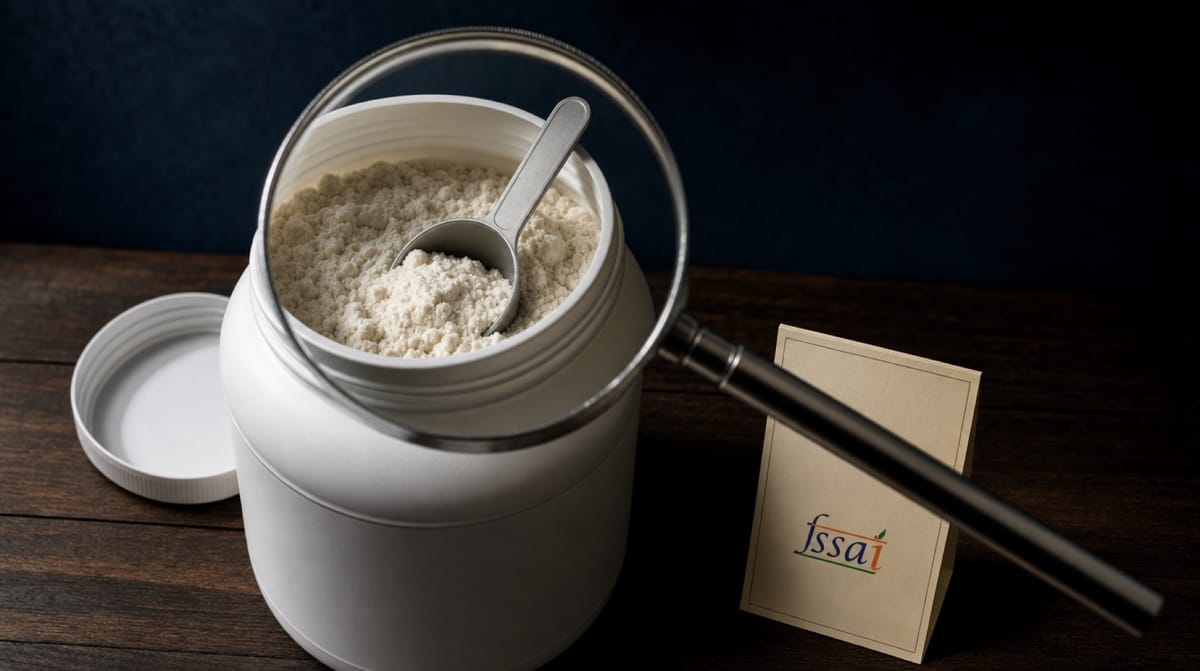
Check the FSSAI licence number on the label. Every protein supplement legally sold in India must display an FSSAI licence number. This does not guarantee quality, but its absence is a definitive red flag. Verify the FSSAI licence number at fssai.gov.in. The database is publicly searchable.
Look for NABL-accredited third-party testing. NABL (National Accreditation Board for Testing and Calibration Laboratories) accreditation is the Indian standard for laboratory competence. A protein supplement from a brand that publishes NABL-accredited third-party test results for heavy metals, protein content, and mycotoxins has demonstrated a minimum level of transparency that self-certified products cannot match. Ask brands for their test certificates directly if they are not published on their website.
Check international third-party certifications. Informed Sport and NSF Certified for Sport are global certification programmes that test supplements for banned substances, heavy metals, and label accuracy. For competitive athletes, these certifications are the gold standard. For general consumers, they represent the highest available assurance that a product has been independently verified.
Read the ingredient list for adulteration indicators. Under FSSAI's FSS (Labelling and Display) Regulations 2020, all ingredients must be listed in descending order of weight. If maltodextrin appears before or at a similar position to the protein source, the product's protein-to-carbohydrate ratio may not match the label's representation. If the product claims "100% whey" but lists soy lecithin or soy protein in the ingredients, the "100% whey" claim is at minimum misleading. For a full guide to reading Indian food and supplement labels, see our label literacy guide.
Be specific about marketing language. Terms like "natural protein," "pure whey," "clean formula," and "no fillers" are marketing claims with no enforceable FSSAI definition. Only the ingredient list and verified test results establish actual product composition. For a breakdown of what Indian food labels can and cannot legally claim, see our guide to natural vs chemical myths.
Avoid extreme discounts from unverified sellers. Quality protein production has a cost floor. A product priced at 40 to 50% below comparable branded products from the same category is almost certainly achieving that price through quality compromise. The Indian market has documented cases of completely counterfeit products, with fake packaging replicating genuine brands, sold through grey-market channels. Buy from authorised dealers and verify packaging tamper seals, batch numbers, and QR codes where available.
Consider a liver and kidney function test if you use supplements regularly. Long-term supplement use, particularly if the quality of products used is uncertain, warrants periodic monitoring of kidney and liver function markers. For a full list of appropriate tests, see our guide to annual health tests for Indian adults.
What Needs to Change
The supplement industry's self-policing has demonstrably not protected Indian consumers. The 70% mislabeling rate and 75% lead contamination rate in the available India data are not acceptable outcomes from a framework that nominally requires product safety certification.
Three specific reforms would meaningfully improve the situation. First, mandatory independent third-party testing, at NABL-accredited laboratories, for all protein supplements before market entry, with results made publicly available on FSSAI's searchable database. The current model of self-certification with confidential results is insufficient for a YMYL (Your Money or Your Life) product category consumed daily by millions of people.
Second, product-level traceability. Batch-level test results should accompany every product reaching retail, enabling consumers and regulators to verify that specific batches match compliance records. Several established Indian brands already do this voluntarily with QR codes. It should be a regulatory requirement rather than a brand differentiator.
Third, enforcement with deterrence. The 38,053 civil cases lodged in 2022-23 reflect a reactive system. Proactive market surveillance, with random purchase testing rather than complaint-driven inspection, is the model that has proven effective in mature supplement markets. India's enforcement infrastructure is growing but is not yet at the scale required.
The Bottom Line
A protein supplement is not a trivial purchase. Millions of Indian gym-goers, athletes, and health-conscious consumers buy protein powder as a daily staple, trusting that what the label says is what the tub contains. The current evidence (a 70% mislabeling rate, 75% lead contamination, aflatoxins in nearly 14% of tested products, and a regulatory framework that cannot independently verify manufacturer claims) says that trust is not justified by the available infrastructure.
This is not an argument against protein supplementation. Protein supplements are a legitimate and well-evidenced nutritional tool for people who need higher protein intakes than their diet provides. It is an argument for verifying specifically what you are buying rather than accepting label claims at face value. In a market where the regulatory gap is documented, consumer verification is the current best available substitute for systemic protection.
The standard to apply before every purchase: FSSAI licence number confirmed, third-party testing visible, ingredient list read, and marketing language disregarded.
Action This Week
Pick one. Verify the FSSAI licence number on your current protein supplement at fssai.gov.in. Search for NABL-accredited third-party test results for your brand (heavy metals, protein content, aflatoxins) on the brand's website or by asking customer support directly. If you use protein supplements regularly and have not had a basic kidney and liver function panel in the past year, book one.
Stay informed on food safety and consumer health in India
SwasthiQ covers FSSAI regulation updates, nutrition evidence, and India-specific consumer health guidance. Subscribe to our monthly newsletter for evidence-based health coverage without the wellness industry noise.
Think Care · Think SwasthiQ
Related reading: How to read food labels in India: FSSAI decoded | Natural vs chemical: busting the health myths that won't die | Important annual health tests every adult in India should know